
In the field of plastic extrusion, twin screw extruders are widely used for their ability to process a variety of thermoplastics efficiently. Among them, parallel twin screw extruders and conical twin screw extruders are the two main types, each designed with unique structural and functional features. Understanding the differences between these two types of machines is critical when selecting the right equipment for your production needs.
In this article, we explore the key differences between parallel twin screw and conical twin screw systems, helping you make an informed choice for your application.
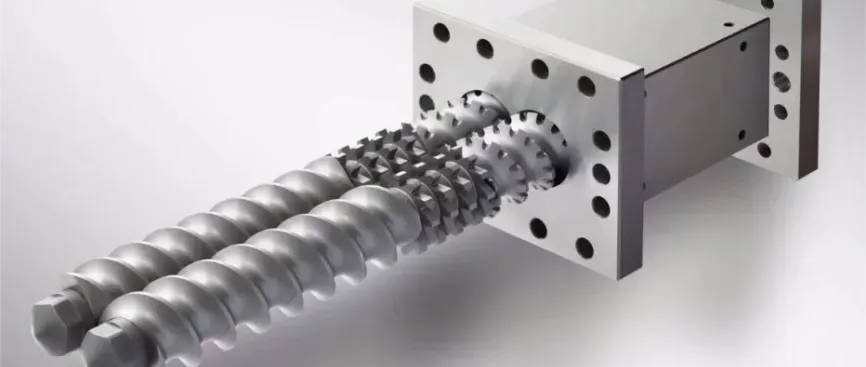
What Are Parallel and Conical Twin Screw Extruders?
Twin screw extruders are essential equipment in the plastics industry, used for mixing, melting, and shaping various thermoplastics. They come in two main types based on screw arrangement: parallel twin screw extruders and conical twin screw extruders.
- A parallel twin screw extruder features two screws that run side by side with equal diameters. It’s ideal for high-speed, high-capacity operations such as compounding, masterbatch production, and processing of engineering plastics.
- A conical twin screw extruder, on the other hand, has screws that taper outward from the feed zone to the output, offering better pressure build-up and torque at lower speeds. This makes it especially suitable for PVC products like pipes, profiles, and sheets, where stable, low-temperature processing is required.
In short, parallel twin screws focus on flexibility and output, while conical twin screws prioritize material stability and torque efficiency. The best choice depends on your specific processing requirements.
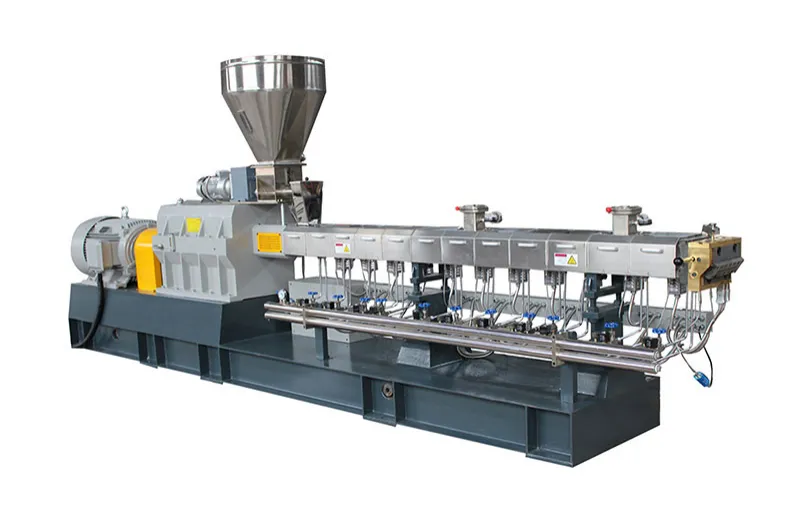
1. Structural Design: Parallel vs. Conical
From an engineering perspective, the design of the screws and barrel significantly affects performance, processing characteristics, and maintenance.
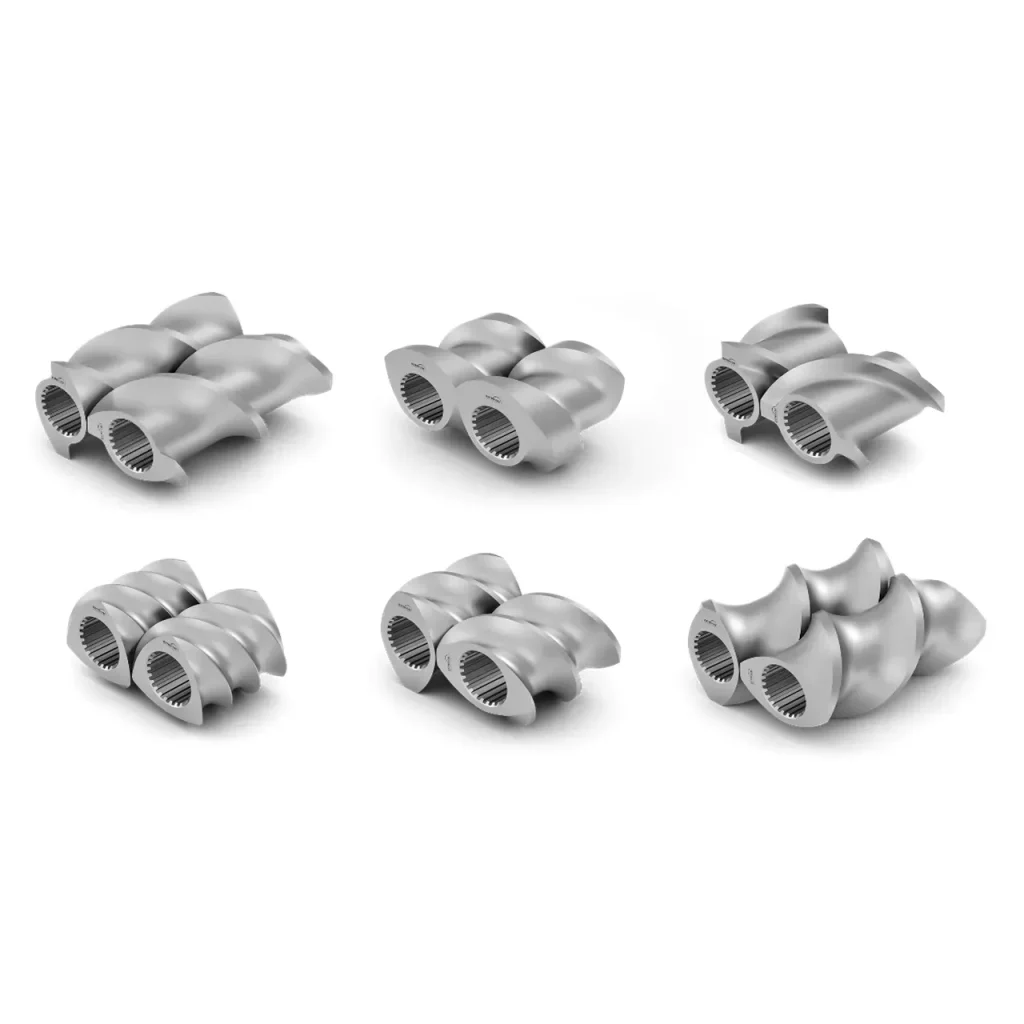
- Parallel Twin Screw Extruder: The screws are set in parallel, maintaining a constant center distance along the barrel. Both screws have the same diameter from start to finish. This uniformity supports modular screw elements, easy customization, and consistent shear distribution across the processing zone.
- Conical Twin Screw Extruder: The screws are arranged in a tapered fashion — their diameter increases gradually toward the discharge end, and the center distance between the two screws also widens accordingly. This conical geometry increases material compression naturally and improves pressure build-up even at lower RPMs, enhancing melt quality and energy efficiency, particularly with rigid or heat-sensitive resins like PVC.
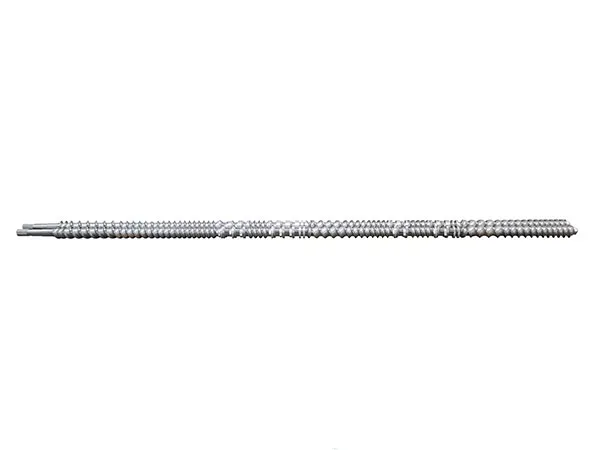
2. Torque and Transmission Capability
- Parallel twin screw extruders generally operate at higher screw speeds and allow greater torque transmission due to equal screw diameter and compact gearbox design. This makes them suitable for high-output applications like masterbatch production and engineering plastics compounding.
- Conical twin screw extruders deliver higher torque at lower screw speeds, thanks to their gear structure and gradually increasing screw diameter. This makes them ideal for PVC processing, where lower shear and temperature control are critical.
3. Application Scope
Each type of twin screw extruder is optimized for specific applications:
| Type | Common Applications | Key Advantages |
| Parallel Twin Screw | PE, PP, ABS, engineering plastics, filler compounding, masterbatch | High output, flexible screw configuration |
| Conical Twin Screw | PVC pipe, PVC profile, PVC sheet, WPC (wood plastic composite) | Low-shear, stable temperature control |
4. Output and Efficiency
- Parallel twin screw extruders usually support higher output rates due to larger volume capacity and faster screw speeds. They are widely used in high-capacity production lines requiring consistent mixing performance.
- Conical twin screw extruders are known for better feeding stability and low energy consumption, especially when processing rigid or heat-sensitive materials like PVC. Their conical structure ensures gradual pressurization and mixing, leading to improved melt quality.
5. Maintenance and Wear Resistance
- In parallel twin screw systems, since the screws are uniformly sized, replacement and customization are relatively easier. They often use modular screw elements for flexibility.
- Conical twin screw systems have a more integrated screw structure, which may lead to higher replacement costs when wear occurs, though they often experience less wear per unit output in low-speed, low-shear applications.
6. Equipment Footprint and Installation
- Parallel twin screw extruders typically require a larger installation area due to the straight layout and longer barrel length.
- Conical twin screw extruders, thanks to their tapered design, often occupy less space and are more compact, which is an advantage for limited production areas.
Which One Should You Choose?
The right choice between a parallel twin screw extruder and a conical twin screw extruder depends on your raw materials, product requirements, and production capacity. Here’s a simple guide:
| Need | Best Choice |
| High-speed compounding of multiple additives | Parallel Twin Screw |
| PVC processing with thermal stability | Conical Twin Screw |
| High output and flexibility | Parallel Twin Screw |
| Compact setup and low-speed operation | Conical Twin Screw |
Trusted Twin Screw Extruder Manufacturer – Granuwel
If you’re seeking a reliable solution for plastic extrusion, Granuwel specializes in high-performance parallel twin screw extruders, offering tailored solutions for compounding, masterbatch, and engineering plastics processing. With years of expertise in twin screw technology, Granuwel delivers high-performance equipment tailored to your specific processing needs.