
In the modern era, plastic waste management has become a critical concern for both environmental and industrial stakeholders. A plastic recycling production line offers a systematic solution to convert discarded plastic into valuable resources through a combination of mechanical, chemical, and thermal processes. This article provides a comprehensive step-by-step explanation of how a plastic recycling line functions, its key components, and why businesses around the world are investing in this essential technology.
What Is a Plastic Recycling Production Line?
A plastic recycling production line is an automated system designed to process post-consumer or post-industrial plastic waste into reusable raw materials, such as plastic pellets or flakes. The process typically includes multiple stages—crushing, washing, separating, drying, and pelletizing—allowing for the effective recycling of various types of plastics like PE film, PP woven bags, PET bottles, and rigid plastic containers.
These lines are widely used across different sectors, including:
- Plastic manufacturing factories
- Waste management companies
- Agricultural plastic recovery operations
- Medical and industrial waste recyclers
By installing a plastic recycling line, businesses can significantly reduce material costs, contribute to environmental sustainability, and comply with increasingly strict government regulations regarding plastic disposal and circular economy practices.
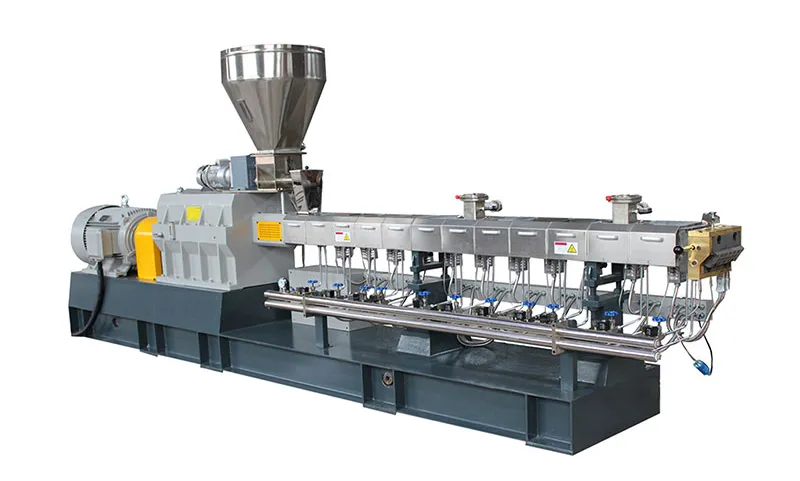
Step-by-Step: How a Plastic Recycling Line Works
Let’s break down the entire process from raw plastic waste to finished recycled material.
1. Feeding and Pre-Sorting
Plastic waste is loaded onto a conveyor belt or feeding hopper. At this stage, large non-plastic contaminants (metal parts, paper, stones) are manually or automatically removed to avoid damaging the equipment downstream.
2. Shredding and Crushing
The sorted plastic enters an industrial shredder or crusher, breaking it down into smaller pieces or flakes. This size reduction increases the surface area for effective cleaning and improves material flow through the system.
- Output: 10–50 mm plastic flakes
3. Washing and Friction Cleaning
The flakes are then transferred into a friction washer or float-sink tank to remove labels, glue residues, dirt, sand, and organic matter.
- Hot water or detergent washing is used for oil-stained materials
- Density separation allows light contaminants to float while heavier plastics sink
- Friction washers use high-speed paddles for deeper cleaning
This stage is crucial, especially for recycling food-grade plastics or medical packaging.
4. Dewatering and Drying
Washed flakes pass through a centrifugal dryer or thermal drying tunnel, which removes moisture. Effective drying ensures the recycled plastic has the ideal properties for extrusion and pelletizing.
- Moisture content is typically reduced to below 1%
- Optional: Air drying or infrared drying for specific polymers
5. Pelletizing (Optional)
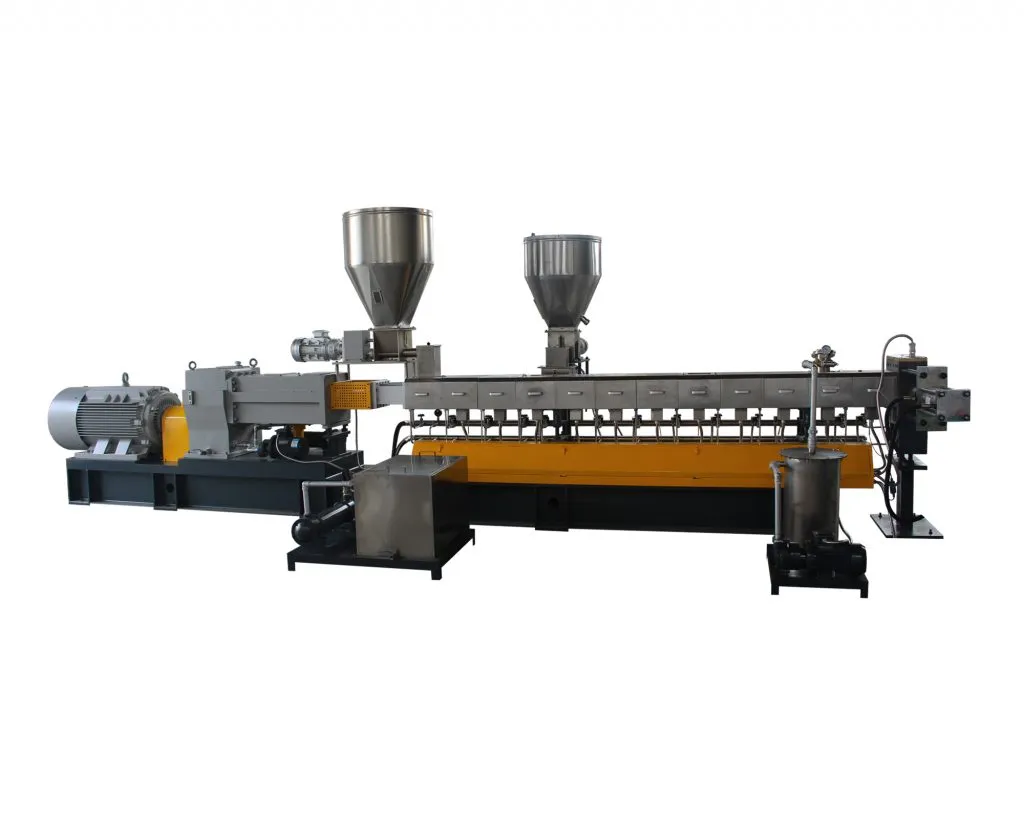
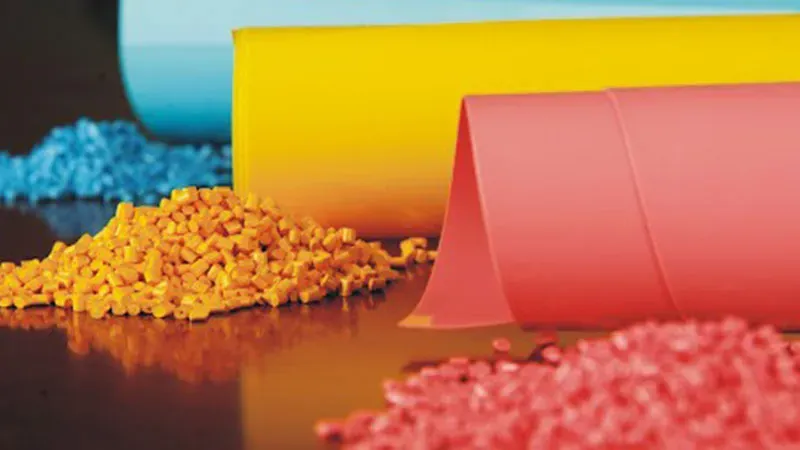
If the goal is to produce plastic pellets, the dried flakes are melted and extruded through a plastic pelletizer. This step transforms plastic into uniform, high-quality granules suitable for reuse in injection molding, film blowing, and extrusion production lines.
- Output: Uniform plastic pellets
- Can include filtration systems to remove fine impurities from the melt
Customization and Configurations
Modern plastic recycling lines can be fully customized based on:
- Plastic type(PE, PP, PET, HDPE, LDPE)
- Contamination level
- Production capacity(from 300 kg/h to 5000 kg/h)
- End product requirements(flakes or pellets)
Manufacturers can integrate automatic conveyors, smart sensors, PLC control systems, and even color sorting machines for high-end applications.
Benefits of a Plastic Recycling Production Line
Investing in a plastic recycling line offers multiple long-term advantages:
1. Cost Efficiency
Recycled plastic is significantly cheaper than virgin resin, and by processing in-house, manufacturers reduce dependency on external suppliers.
2. Environmental Compliance
Governments around the world are enforcing plastic bans, recycling mandates, and sustainability goals. Recycling lines help companies comply with such regulations.
3. Waste Reduction
Instead of landfilling or incinerating plastic, recycling enables companies to reclaim up to 90% of plastic waste and keep it in circulation.
4. Brand Image and Sustainability
Using recycled plastic contributes to a greener supply chain and improves your brand’s image among environmentally conscious consumers.
Why Choose Granuwel for Plastic Recycling Lines?
At Granuwel, we specialize in manufacturing high-performance plastic recycling lines that are designed for durability, ease of use, and operational efficiency. With more than a decade of experience in the recycling equipment industry, we offer:
- Patented Designs: Developed in-house to ensure optimal performance
- Multi-material Compatibility: Works with PE, PP, PET, HDPE, and more
- One-Stop Solutions: From crushing to pelletizing, all in one system
- Global Support: Experienced in exporting to over 30 countries with responsive after-sales service
Whether you need a compact line for local recycling or a high-capacity industrial plant, Granuwel offers customized solutions tailored to your exact needs.
Conclusion
A well-designed plastic recycling production line is a strategic asset for cost savings and sustainability. By integrating Granuwel’s twin-screw extruders, businesses achieve higher efficiency, lower energy costs, and compliance with global standards.
Ready to upgrade your recycling line?
Contact Granuwel for a customized solution.