
With the continuous development of modern industry, the demands for material properties are increasingly improving. Glass fiber reinforced materials, due to their excellent properties such as high strength, high modulus, and low thermal expansion coefficient, have been widely used in many fields. As an efficient and continuous mixing equipment, the GTE series twin-screw extruder from Nanjing Granuwel crucial role in the preparation process of glass fiber reinforced materials. This article will conduct an in-depth analysis of the application of twin-screw extruders in glass fiber reinforced materials.
Working Principle and Characteristics of Twin-Screw Extruder
- Working Principle: The twin-screw extruder mainly consists of two intermeshing screws. The material is fed in from the hopper and transported forward under the rotation of the two screws, during which it is subjected to extrusion, shearing, and mixing actions. The screw threads continuously push the material towards the die head. Meanwhile, due to the clearance and relative movement between the screws, the material forms a backflow and circulation in the barrel, thereby achieving thorough mixing and plasticization of the material.
- Characteristics: The twin-screw extruder has many advantages, such as good mixing effect, stable extrusion pressure, precise material control, and high production efficiency. In addition, it can meet the production needs of different products by adjusting parameters such as screw combination, rotation speed, and temperature according to the different material properties and process requirements, realizing personalized processing of the material.
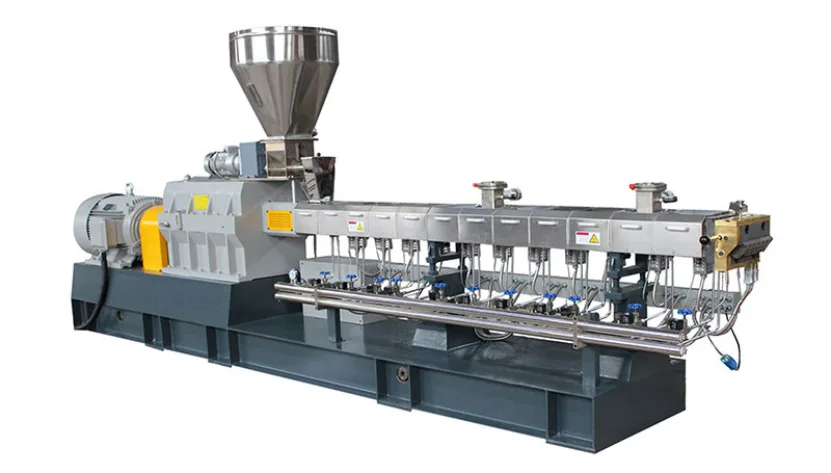
GTE-B Co-rotating Twin Screw Plastic Extruder
Characteristics and Applications of Glass Fiber Reinforced Materials
1. Characteristics: Glass fiber reinforced materials are high-performance materials that use glass fibers as the reinforcing phase and resins or other polymers as the matrix, and are compounded through certain processes. They have the following significant characteristics:
- High strength and modulus: Glass fibers have high strength and modulus, which can significantly improve the bearing capacity and rigidity of the material.
- Low thermal expansion coefficient: The thermal expansion coefficient of glass fibers is relatively low, resulting in good dimensional stability of the composite material when the temperature changes, and reducing the internal stress and deformation caused by thermal expansion and contraction.
- Good corrosion resistance: Glass fiber reinforced materials have good tolerance to many chemical substances and can be used in harsh environments for a long time.
- Strong designability: It is possible to adjust the performance of the composite material by changing the content, length, distribution of glass fibers and the type of matrix materials, etc., to meet different engineering requirements.
2. Applications: Glass fiber reinforced materials are widely used in many fields such as aerospace, automotive manufacturing, construction, electronics and appliances, shipping, and others. For example, in the aerospace field, they are used to manufacture aircraft wings, fuselages and other structural components; in automotive manufacturing, they are used to produce hoods, bumpers, car body shells and other parts; in the construction field, they are used to make bridges, high-rise buildings’ structural materials and so on.
The Key Role of Twin-Screw Extruders in the Preparation of Glass Fiber Reinforced Materials
- Modular screw design: Through the special design of the screws and the reasonable combination of the screws, the uniform distribution of glass fibers in the matrix can be achieved, avoiding the agglomeration phenomenon of glass fibers, thereby improving the performance uniformity and stability of the composite material.
- High-efficiency devolatilization capability: The vacuum devolatilization system equipped with the twin-screw extruder can effectively remove the moisture and volatile impurities generated during the processing, thereby enhancing the mechanical properties and appearance quality of the material.
- Control over glass fiber length: Parameters such as the rotation speed of the screws, temperature, and screw configuration of the twin-screw extruder have an important impact on the length of glass fibers. By reasonably adjusting these parameters, it is possible to control the length and distribution of glass fibers to a certain extent, avoiding the adverse effects on material properties caused by excessively long or short glass fibers.
- High-torque drive system: The high-torque design ensures that the equipment is able to handle glass fiber reinforced materials with high loading while maintaining a stable and efficient production state, enabling large-scale continuous production.
- Realization of functional modification: With the help of the excellent mixing performance of the twin-screw extruder, various auxiliaries and additives such as toughening agents, flame retardants, and anti-aging agents can also be added in the preparation process of glass fiber reinforced materials to achieve functional modification of the materials and further expand their application fields.
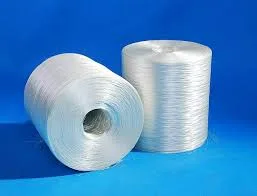
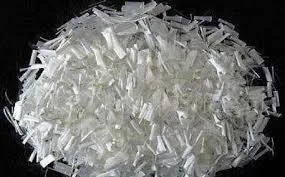
Feeding Methods for Different Glass Fibers and the Reasons
In the production process of glass fiber reinforced materials, long glass fibers are usually fed into the twin-screw extruder from the top feeding port in the middle part of the barrel, while short glass fibers need to be added from the side feeding port. There are mainly the following two reasons
1. Different material characteristics and processing methods
- Long glass fibers: They are usually continuous fiber bundles or relatively long fibrous materials. When added from the top feeding port in the middle part of the barrel, the rotation and conveying action of the screws of the twin-screw extruder can be utilized to gradually feed the long glass fibers into the extruder under the push of the screws. During this process, the shearing and mixing actions of the screws will gradually cut and disperse the long glass fibers, making them evenly distributed in the polymer matrix, while maintaining a certain fiber length at the same time to play a reinforcing role.
- Short glass fibers: They are generally short fibers that have already been cut, with a length usually below several millimeters. Since the length of short glass fibers is short, if they are added from the top feeding port in the middle part of the barrel, the short glass fibers are prone to caking and bridging at the feeding port; if vertical forced feeding is adopted to forcibly press the material into the equipment, the rotating forced feeding screw will cause the glass fibers to be cut off too early and become fluffy.
2. Different feeding methods and equipment requirements
- Long glass fibers: The top feeding port usually has a larger feed inlet size and stronger conveying capacity, which can adapt to the addition of relatively coarse and long materials such as long glass fibers. And it is possible to control the cutting degree and dispersion effect of long glass fibers by adjusting parameters such as the rotation speed and temperature of the screws, as well as adopting special screw combinations and mixing elements, so as to meet different processing needs.
- Short glass fibers: The side feeding port generally has a smaller feed inlet size and more precise feeding control devices, such as loss-in-weight scales. Adding short glass fibers through the side feeding port can more accurately control the amount and speed of short glass fibers added, avoiding unevenness or excessiveness during the addition of short glass fibers. At the same time, the position and design of the side feeding port can enable short glass fibers to receive better pretreatment before entering the screw, such as preheating and drying, so as to improve the compatibility and dispersibility of short glass fibers with the polymer matrix.
Measures to Address the Abrasion of Glass Fiber Materials
Due to the serious abrasion of glass fiber materials on screws, barrels and other components, in order to extend the service life of the equipment and improve production efficiency, Granville Machinery has adopted specially treated thread elements. These thread elements are made of wear-resistant alloy materials with a wear resistance more than 1 times higher than that of ordinary SKD51 materials, which can effectively reduce the abrasion of screws and barrels, and lower the maintenance cost and downtime of the equipment. At the same time, the heater adopts a high-temperature heater, which can meet the relatively high temperature requirements during the processing of glass fiber reinforced materials, ensuring sufficient plasticization and fusion of the material.
In the future, with the continuous growth of demand for lightweight vehicles and high-performance materials, the application prospects of twin-screw extruders will be broader. Nanjing Granuwel Machinery Co., Ltd. will be able to produce glass fiber reinforced materials with excellent performance by giving full play to its advantages and continuously optimizing processes and solving existing problems, meeting the needs of modern industry for high-performance materials and promoting the sustainable development of related industries. Committed to technological innovation, providing customers with efficient, reliable and customized solutions, and helping the high-quality development of the plastic modification industry.