
In the field of plastic production and compounding, pelletizing plays a crucial role. No matter whether you are producing masterbatches, plastic recycling materials, or engineering polymers, choosing the right pelletizing method can significantly impact your production efficiency and product quality. Among the various pelletizing methods available, strand pelletizer vs underwater pelletizer often becomes the key decision point for manufacturers.
If you’re considering which one to choose for your production line, this guide will provide a detailed comparison, helping you make an informed decision based on material type, output, and application needs.
The Role of Pelletizing in Plastic Production
Pelletizing refers to the process of converting molten plastic into uniformly sized pellets or granules, which can be easily transported, stored, and used for further processing, such as injection molding or extrusion.
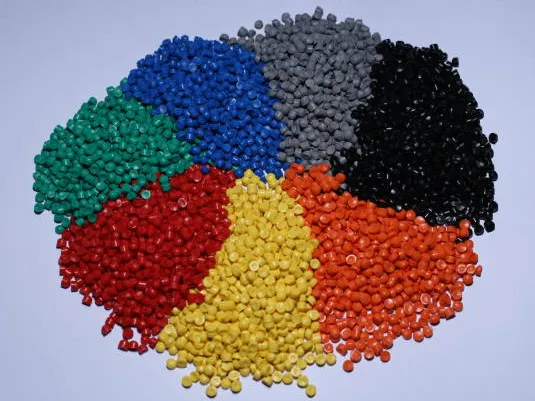
A stable and efficient pelletizing process ensures:
- Consistent pellet size and shape
- Improved material flow during subsequent processing
- Reduced waste and downtime
- Enhanced overall productivity
Given the importance of pelletizing, choosing the right pelletizer is not just a technical decision—it’s a strategic move that affects the competitiveness of your business.
Let’s dive into strand pelletizer vs underwater pelletizer and explore their differences.
What Is Underwater Pelletizing?
Underwater pelletizing is a highly advanced method of pellet production where the molten polymer is cut into pellets while still submerged in water. This technique ensures immediate cooling of the pellets, maintaining shape consistency and minimizing oxidation.
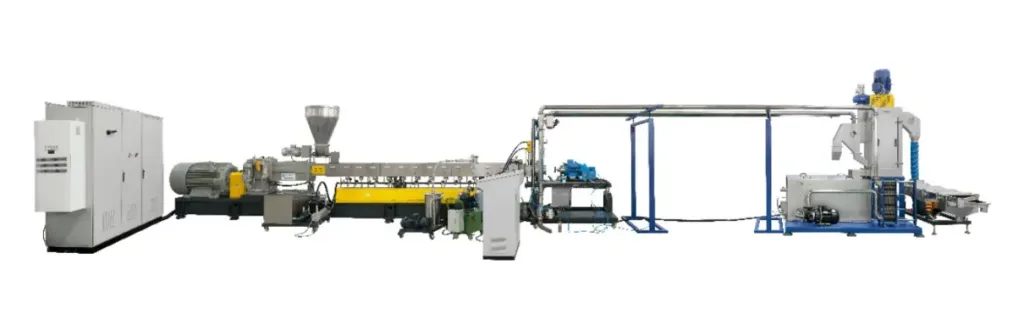
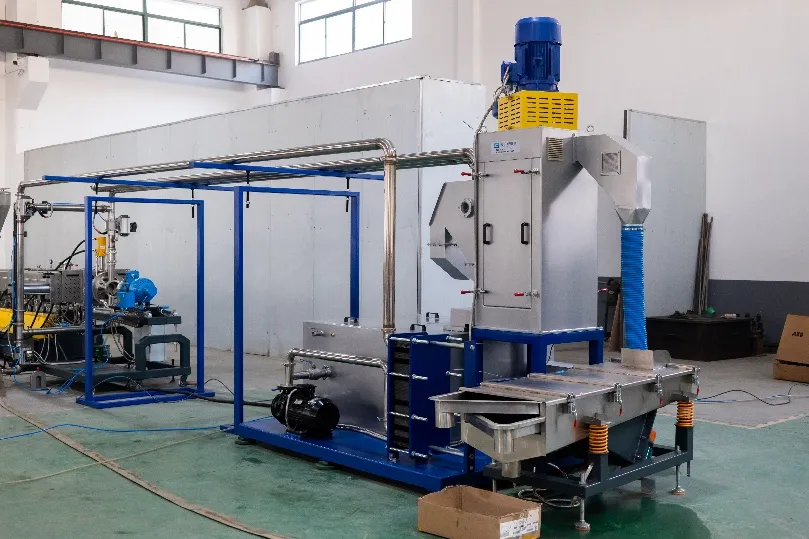
Granuwel Underwater pelletizing system
How Underwater Pelletizing Works
- The molten polymer is extruded through a die plate with multiple holes.
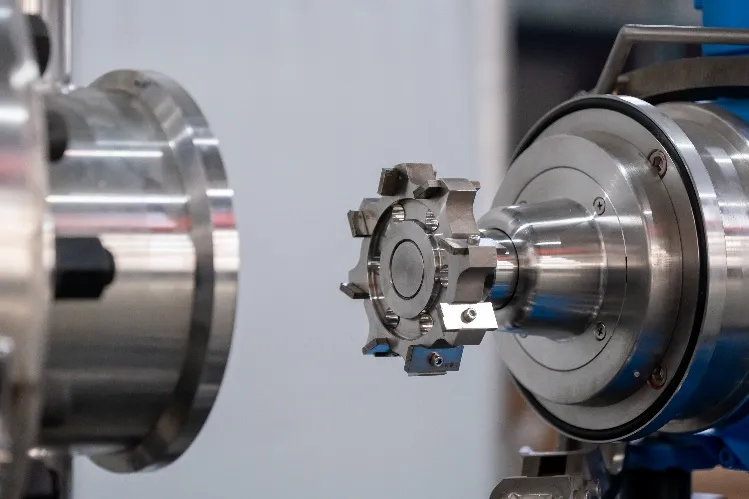
- Rotating blades cut the extruded strands into pellets directly in a water-filled chamber.
- The water serves as a cooling medium, and the pellets are carried away by the water stream.
- After pelletizing, the pellets are separated from water using a centrifugal dryer.
Suitable Materials for Underwater Pelletizing
Underwater pelletizing is compatible with a wide range of thermoplastic polymers, including:
- PE (Polyethylene)
- PP (Polypropylene)
- EVA (Ethylene Vinyl Acetate)
- TPU (Thermoplastic Polyurethane)
- TPE (Thermoplastic Elastomers)
- PET (Polyethylene Terephthalate)
- And other engineering plastics or elastomers
Industries That Use Underwater Pelletizing
- Plastic modification (compounding)
- Masterbatch production
- Recycling industry
- Engineering plastic production
- Elastomer processing
For demanding applications that require high production volumes and consistent pellet quality, underwater pelletizing is often the preferred choice.
Common Pelletizing Methods Overview
Besides underwater pelletizing, there are other popular pelletizing technologies in the plastics industry. Understanding their differences can further help you decide which suits your production best.
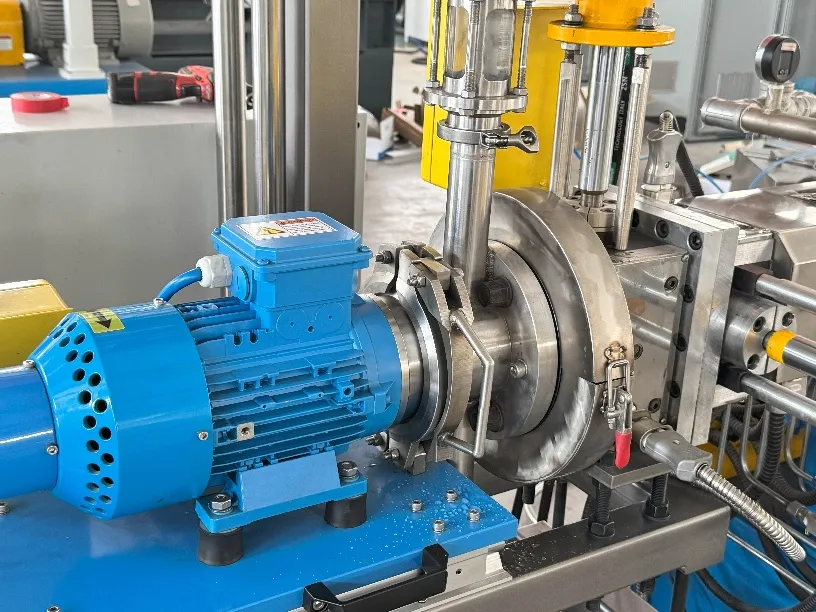
1.Underwater Pelletizing
Features:
- High automation
- Best for high-viscosity, sticky, or elastic polymers
- Uniform pellet shape and size
- Requires higher investment cost but lower labor involvement
Best for: Large-scale production of specialty plastics and high-performance materials
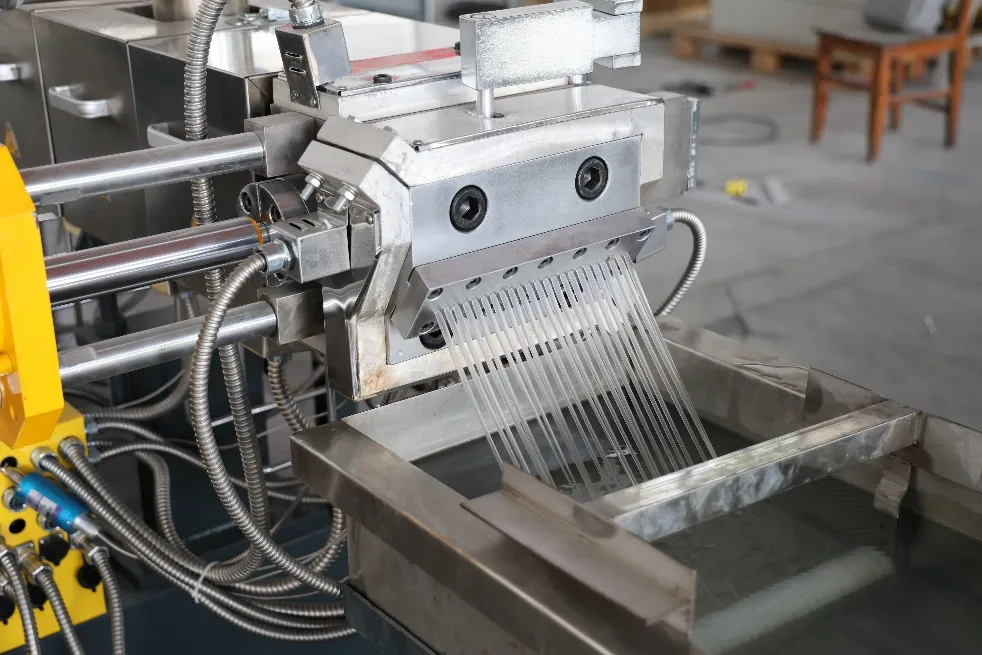
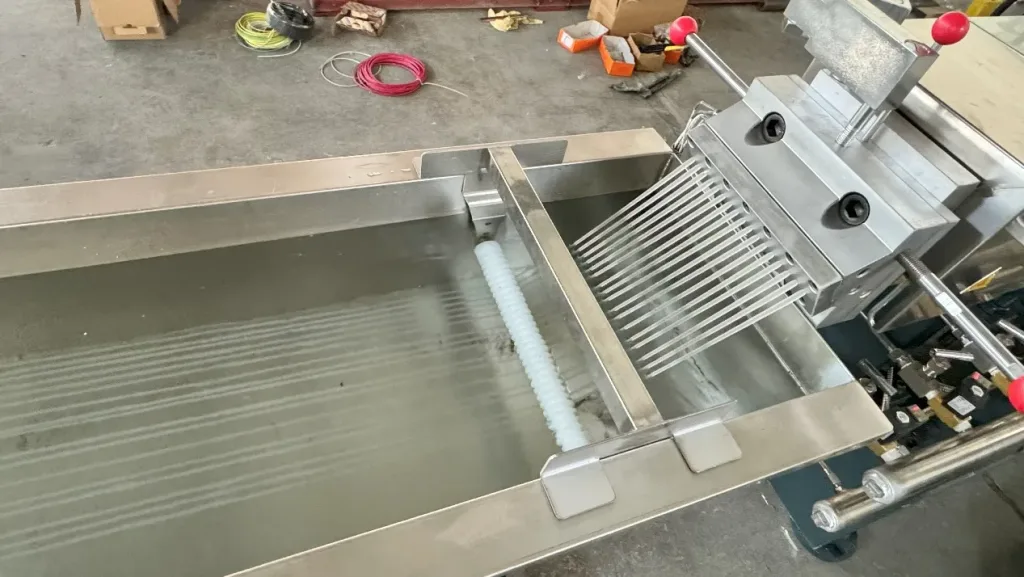
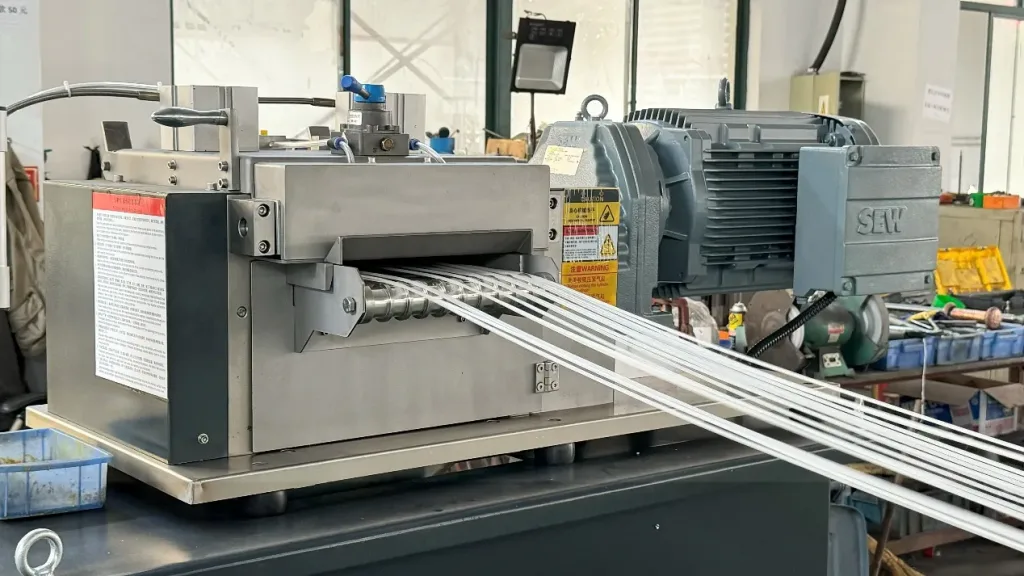
2.Water Cooling Strand Pelletizing
Features:
- Molten plastic is extruded into continuous strands, which are cooled in water baths, dried, and then cut into pellets by a strand pelletizer.
- Simpler equipment, easier maintenance
- Suitable for mid- to small-scale production lines
Best for: Commodity plastics, filled plastics, and compounds where ultra-precision pellets are not mandatory
3.Water Ring Pelletizing
Features:
- Cost-effective solution
- Good for soft, recycled, or sticky materials
- Combines some benefits of both underwater and strand systems but typically used for specific materials
Best for: Low to medium production volumes, flexible plastic recycling
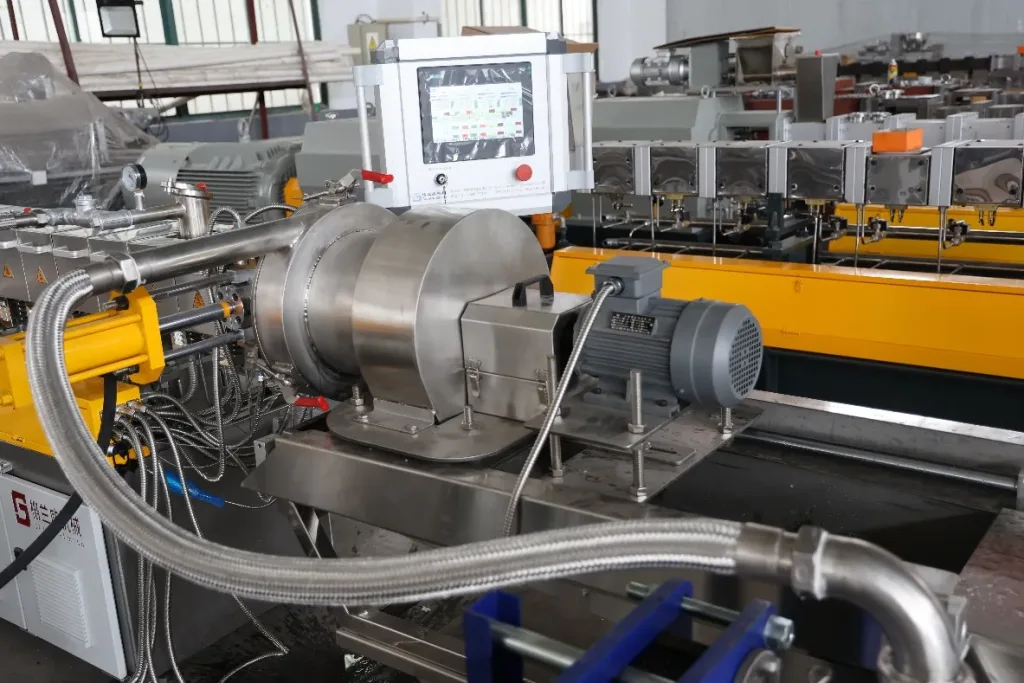
Water Cooling Strand Pelletizer vs Underwater Pelletizer: Practical Comparison
Instead of repeating technical features, let’s focus onpractical considerations for manufacturers deciding between the two.
1.Production Flexibility
- Strand Pelletizer: Offers flexibility in changing formulations quickly. If your product lines vary frequently or involve experimental materials, strand systems provide a hands-on approach.
- Underwater Pelletizer: Optimized for stable, long-term production of specific material grades. Less flexible for frequent material changes but ideal for mass production.
2.Material Complexity
- Strand Pelletizer: Performs well with rigid or semi-rigid plastics. It may struggle with sticky, elastic, or very soft polymers that can tangle during strand cooling.
- Underwater Pelletizer: Excels with challenging materials like TPU, TPE, or highly filled polymers, producing consistent pellets without tangling issues.
3.Space & Operator Involvement
- Strand Pelletizer: Requires more physical space for water baths, drying conveyors, and cutting units. Operator oversight is more hands-on for adjusting strand alignment.
- Underwater Pelletizer: Compact footprint with enclosed cutting and integrated drying, reducing operator workload. Ideal for automated, centralized systems.
4.Downtime & Maintenance
- Strand Pelletizer: Simpler to clean and maintain. Excellent for operations with frequent stop/start cycles.
- Underwater Pelletizer: More complex, but better suited to continuous operation with fewer interruptions once running.
5.Cost Considerations
- Strand Pelletizer: Lower upfront cost; better suited for start-ups, medium-output plants, or companies adding capacity incrementally.
- Underwater Pelletizer: Requires higher capital investment but repays through efficiency in high-volume production or where product uniformity is non-negotiable.
Why Choose Granuwel’s Pelletizing Solutions?
At Granuwel , we understand that no two production lines are alike. That’s why we provide both strand pelletizer and underwater pelletizer systems to meet diverse industry needs.
- Advanced Engineering
- Tailored System Design
- Reliable After-Sales Support
- Solutions for Both New Installations & Line Upgrades
Explore our pelletizing products:
Our experienced engineers will help you find the ideal setup, whether you’re producing color masterbatches, recycling plastics, or compounding specialty materials.
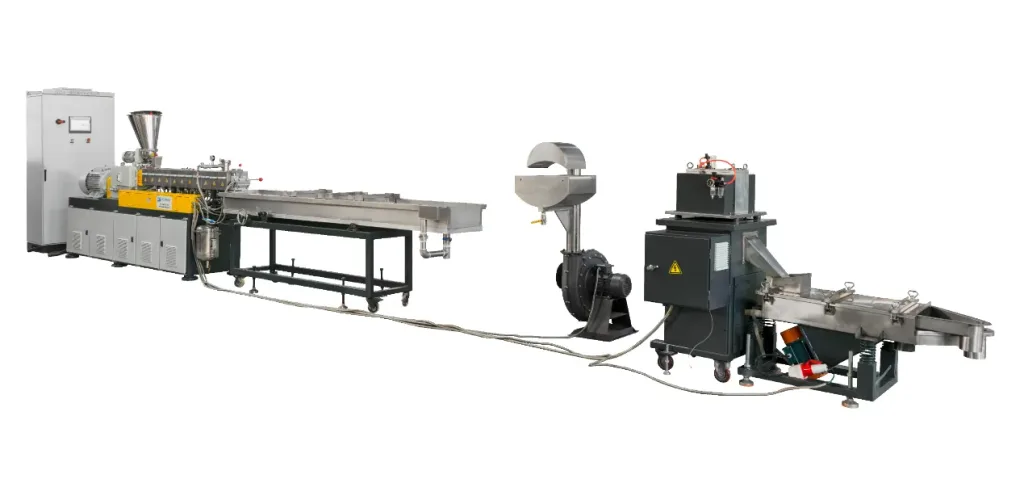
Water Cooling Strands Pelletizing System
Conclusion: Make the Right Choice for Your Production
Choosing between strand pelletizer vs underwater pelletizer is all about balancing investment cost, material properties, production capacity, and product requirements.
Need help choosing the right system? Contact Granuwel today for tailored solutions to match your production goals.