
What Is a Lab Extruder?
A lab extruder is a small-scale extrusion device specifically designed for research, formulation testing, and small-batch production. Compared with industrial extruders that emphasize high-volume throughput, laboratory models are optimized for precision, process control, and material versatility. This makes them indispensable tools in polymer R&D facilities, universities, and quality control departments.
Key applications include:
- Plastic modification: Tailoring polymer structures to enhance strength, heat resistance, or impact performance.
- Masterbatch preparation: Producing small batches of color concentrates or additive masterbatches for quality evaluation.
- Biodegradable material development: Testing new eco-friendly formulations such as PLA blends or starch-based plastics.
- Polymer property evaluation: Measuring melt flow index (MFI), dispersion quality, and thermal stability under controlled conditions.
- Formulation optimization: Refining recipes before scaling to full industrial production to save cost and resources.
Because lab extruders replicate industrial processing conditions on a smaller scale, they allow researchers to reduce waste, shorten development cycles, and achieve consistent test results.
Types of Lab Plastic Extruders
1. Single Screw Laboratory Extruder
A single screw lab extruder consists of one rotating screw housed in a heated barrel, where the polymer is conveyed, melted, and shaped through a die.

Advantages:
- Simpler design and lower initial cost.
- Easy to clean, making it suitable for frequent material changes.
- Ideal for basic melting, shaping, and simple blending tasks.
Technical details:
- Common screw diameters: 16–30 mm for lab units.
- L/D ratio (length-to-diameter): typically 20:1–28:1 for controlled melting.
- Adjustable compression ratio to match polymer viscosity.
2. Twin Screw Laboratory Extruder
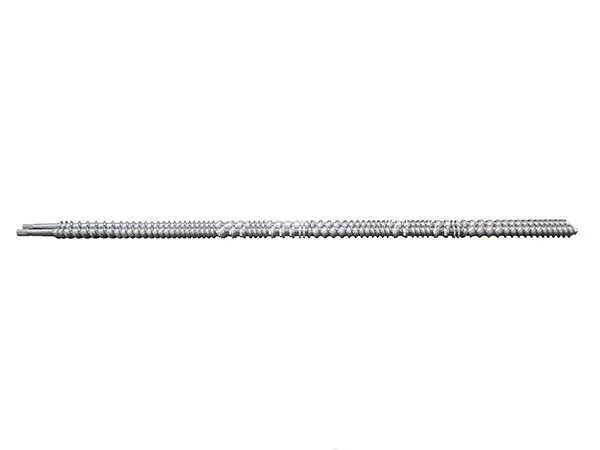
A twin screw lab extruder uses two intermeshing screws—either co-rotating for intensive mixing or counter-rotating for more delicate processing.
Advantages:
- Superior mixing and dispersion for complex or filled materials.
- Suitable for reinforced composites, flame-retardant compounds, and reactive extrusion.
- Modular screw elements allow customization for specific process requirements.
Technical details:
- Typical L/D ratios: 32:1–44:1 for enhanced processing stability.
- High torque transmission for processing high-viscosity materials.
- Capability to handle multiple feeding ports for additives, fillers, or liquids.
How to Choose the Right Lab Extruder
1. Material Type
The choice of extruder depends heavily on the type of polymer and the processing goals:
- Basic thermoplastics (e.g., PE, PP, PVC) → often processed efficiently on a single screw.
- Complex blends or high-filler materials (e.g., PLA with natural fibers, glass fiber reinforced nylon) → benefit from twin screw designs for better dispersion.
Screw geometry—flight depth, pitch, and mixing zones—should match the melt rheology of the chosen material.
2. Output Capacity
Laboratory extruders are available in a range of throughputs:
- Gram-level output (50–500 g/h): suitable for rare, expensive, or experimental materials.
- Kilogram-level output (1–10 kg/h): ideal for pilot-scale runs or pre-production testing.
Selecting the correct capacity avoids wasted resources and ensures test efficiency.
3. Temperature Control System
Accurate temperature management is critical for reproducible test results:
- Multi-zone heating for even thermal distribution.
- PID controllers with ±1°C precision to prevent material degradation.
- Rapid heating and cooling to accommodate frequent formulation changes.
Some advanced systems also integrate barrel cooling with water or compressed air for fast process adjustments.
4. Torque and Motor Power
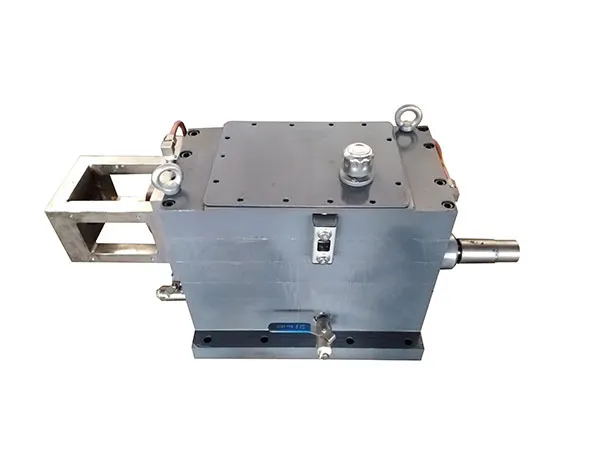
For high-viscosity melts or heavily filled compounds, motor torque is a key factor:
- Typical lab extruder motors range from 1–15 kW.
- Higher torque capacity ensures stable operation without screw slippage.
- Servo motor systems allow precise control of screw speed and acceleration.
5. Feeding and Dosing Systems
Efficient feeding ensures consistent throughput and uniform quality:
- Volumetric feeders: suitable for free-flowing pellets.
- Gravimetric feeders: ideal for precise dosing of additives or powders.
- Side feeders: enable incorporation of fillers or reinforcements during processing.
6. Measurement & Data Logging
Modern laboratory extruders often integrate advanced monitoring and control systems:
- Real-time tracking of torque, melt pressure, and barrel temperature.
- Data logging for process reproducibility and optimization.
- Connectivity to lab management software for direct analysis and reporting.
7. Cleaning and Maintenance
Frequent material changes in lab work require easy access to screws, barrels, and dies:
- Quick-release die heads reduce downtime.
- Split-barrel designs allow faster cleaning and screw replacement.
- Wear-resistant coatings extend component life when working with abrasive fillers.
Selecting a Reliable Laboratory Extruder Machine
When investing in a lab extruder, evaluate the following:
- Build quality: precision-machined components, rigid frame, and corrosion-resistant materials.
- Modularity: the ability to change screws, barrels, and dies to match different projects.
- Temperature stability: consistent performance even during long testing sessions.
- After-sales support: responsive technical assistance and spare parts availability.
For researchers seeking consistent performance and flexible configuration, the Granuwel Lab Extruder is a trusted choice. With advanced screw design, multi-zone PID-controlled heating, and customizable feeding systems, Granuwel offers solutions for everything from basic polymer melting to advanced composite material development. Its integrated data acquisition system ensures every test is traceable, accurate, and repeatable—helping R&D teams move from concept to production faster and with greater confidence.